
How Better crane component Selection Improves Crane Efficiency and Reduces Downtime
In industrial lifting operations, crane performance is only as reliable as the components it is built from. While many crane owners focus on rated capacity or initial purchase price, component selection plays a critical role in long-term efficiency and downtime reduction. Choosing the right crane components from the start can dramatically improve operational stability, safety, and lifecycle cost control.
The Hidden Cost of Poor Component Selection
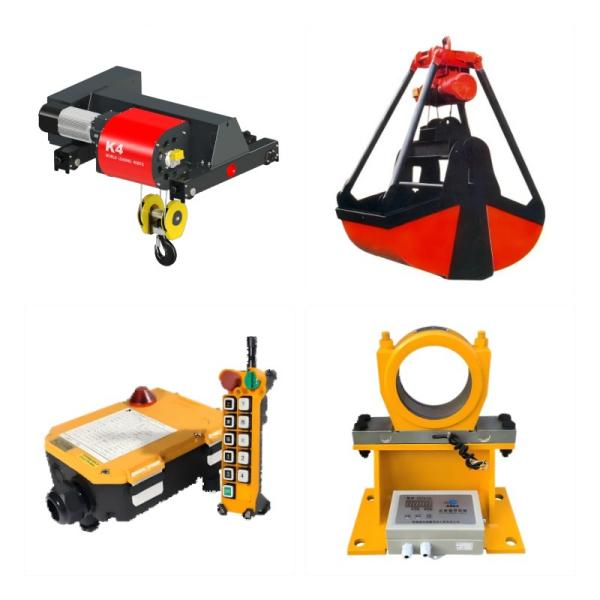
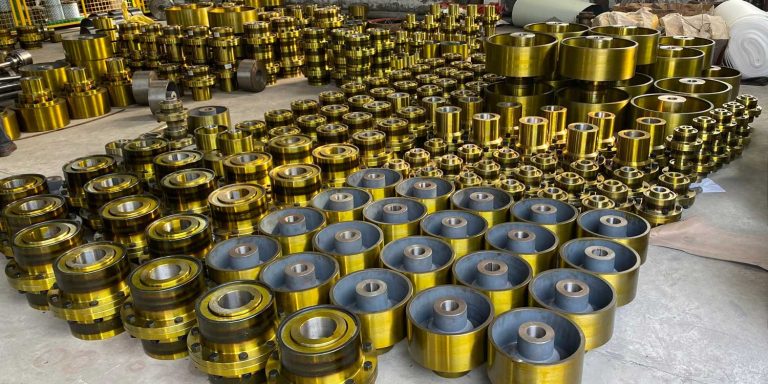
Low-quality or mismatched crane components often lead to premature wear, misalignment, vibration, and unexpected failures. Components such as crane wheels, hooks, wire rope drums, brakes, and couplings are exposed to repeated load cycles and harsh working environments. When inferior materials or improper heat treatment are used, even a small defect can escalate into costly downtime or safety incidents.
Unplanned shutdowns not only interrupt production schedules but also increase labor costs, emergency repair expenses, and spare part inventory pressure. Over time, these hidden costs far exceed the initial savings of choosing cheaper components.
How Quality Components Improve Crane Efficiency
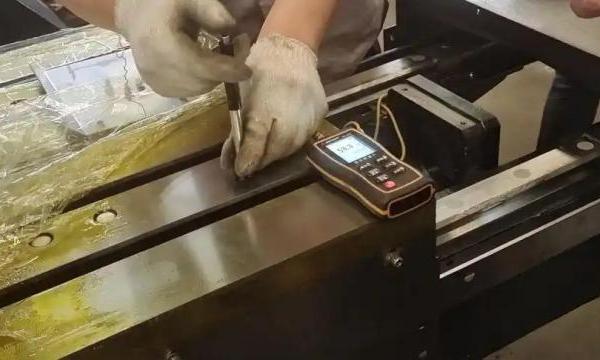
High-quality crane components are designed with precise tolerances, proper material grades, and verified manufacturing processes. This directly improves crane efficiency in several ways:
-
Reduced friction and resistance, allowing smoother crane travel
-
Lower energy consumption due to optimized mechanical performance
-
Consistent load handling, minimizing sway and positioning errors
-
Extended service life, reducing replacement frequency
For example, well-machined crane wheels with proper hardness distribution ensure even rail contact, minimizing rolling resistance and motor strain. Similarly, correctly designed crane hooks maintain their geometry under load, improving lifting stability and safety.
You can explore professional crane component solutions on our website:
👉 Internal link: https://www.hnhlcrane.com/crane-parts/
Downtime Reduction Starts with Compatibility
Downtime often occurs not because a component fails, but because it is incompatible with the crane’s duty class, working environment, or operating frequency. Selecting components that match the crane’s working class (A3–A8), ambient conditions, and load spectrum is essential.
At HL CRANE, we help customers select components based on:
-
Working duty and load cycles
-
Environmental factors such as dust, heat, and humidity
-
Rail condition and alignment tolerance
-
Maintenance accessibility and replacement strategy
This systematic selection approach reduces emergency maintenance and extends inspection intervals.
Preventive Maintenance Becomes Easier
Better components also simplify preventive maintenance. High-quality parts wear predictably, making it easier to plan inspections and replacements before failures occur. This allows maintenance teams to shift from reactive repairs to planned maintenance, which significantly lowers operational risk.
According to international lifting equipment standards, preventive maintenance combined with quality components can reduce crane downtime by more than 30%.
👉 External reference: ISO crane maintenance guidance (ISO 4301 / ISO 9927)
Long-Term Value Over Short-Term Cost
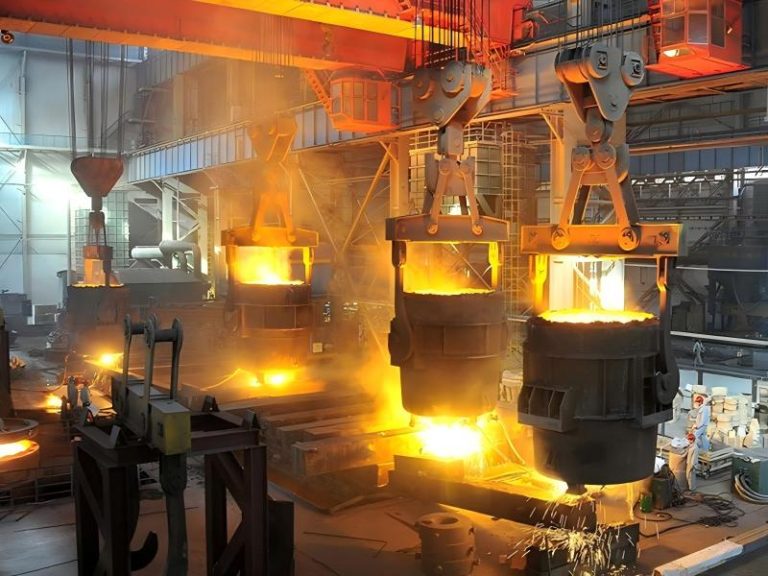
While premium components may have a higher initial cost, they deliver lower total cost of ownership (TCO) through reduced downtime, fewer replacements, and improved safety compliance. For industrial users operating in steel plants, foundries, or heavy workshops, component reliability directly affects productivity and profitability.
By choosing trusted suppliers and properly engineered components, crane owners protect both equipment and workforce.
FAQs – Crane Component Selection and Downtime Reduction
1. Why does component selection affect crane efficiency so much?
Crane efficiency depends on how smoothly and reliably mechanical parts work together. Poorly selected components increase friction, vibration, and energy loss, which directly reduce lifting and travel efficiency. High-quality, properly matched components allow the crane to operate with less resistance and more stable motion.
2. Which crane component have the greatest impact on downtime?
Components most closely related to downtime include crane wheels, hooks, wire rope drums, brakes, and couplings. These parts experience high loads and frequent operation cycles. If they are made from low-grade materials or improperly matched to the crane duty class, failures occur more frequently.
3. Can higher-quality crane component really reduce maintenance costs?
Yes. Although premium components have a higher upfront cost, they wear more predictably and last longer. This reduces emergency repairs, spare part consumption, and labor costs. Over the crane’s lifecycle, high-quality components usually result in a lower total cost of ownership (TCO).
4. How do I choose the right crane component for my application?
Proper component selection should consider working duty class (A3–A8), load frequency, operating environment, rail condition, and safety requirements. Working with an experienced manufacturer like HL CRANE ensures components are selected based on real operating conditions, not just load capacity.
5. How often should crane component be inspected or replaced?
Inspection intervals depend on usage intensity and working conditions. However, with correctly selected components, inspection cycles can be extended and replacements planned in advance. This enables preventive maintenance instead of reactive repairs, significantly reducing unexpected downtime.