
Πώς να διαγνώσετε την ανώμαλη φθορά στους τροχούς του γερανού
Οι τροχοί γερανών λειτουργούν υπό ακραία φορτία, συνεχή κίνηση και συχνά σε σκληρά περιβάλλοντα. Με την πάροδο του χρόνου, η φθορά είναι αναπόφευκτη - αλλά η μη φυσιολογική φθορά είναι ένα προειδοποιητικό σημάδι ότι κάτι δεν πάει καλά στο σύστημα του γερανού.
Στο HL CRANE, βοηθάμε συχνά τους πελάτες μας να αντιμετωπίσουν προβλήματα πρόωρης αποτυχίας των τροχών. Στις περισσότερες περιπτώσεις, το πρόβλημα δεν είναι ο ίδιος ο τροχός, αλλά η ακατάλληλη ευθυγράμμιση, η εγκατάσταση ή οι συνθήκες λειτουργίας.
Αυτός ο οδηγός θα σας βοηθήσει να εντοπίσετε τους διάφορους τύπους μη φυσιολογικής φθοράς, να κατανοήσετε τις αιτίες τους και να λάβετε διορθωτικά μέτρα προτού προκληθεί σοβαρή ζημιά.
1. Κατανόηση της φυσιολογικής έναντι της μη φυσιολογικής φθοράς
Πριν από τη διάγνωση των προβλημάτων, είναι σημαντικό να γίνει διάκριση μεταξύ φυσιολογικής και μη φυσιολογικής φθοράς.
- Κανονική φθορά είναι ομοιόμορφη και σταδιακή σε όλο το πέλμα του τροχού.
- Ανώμαλη φθορά εμφανίζεται ανομοιόμορφη, εντοπισμένη ή ασυνήθιστα γρήγορη.
Εάν η μία πλευρά του τροχού παρουσιάζει σημαντικά μεγαλύτερη φθορά από την άλλη ή εάν η φθορά εμφανίζεται γρήγορα, είναι καιρός να το ερευνήσετε.
2. Συνήθεις τύποι ανώμαλης φθοράς
Ανομοιόμορφη φθορά πέλματος
Αυτό είναι ένα από τα πιο συνηθισμένα ζητήματα. Η επιφάνεια του τροχού φθείρεται ανομοιόμορφα, συχνά περισσότερο από τη μία πλευρά.
Πιθανές αιτίες:
- Κακή ευθυγράμμιση μεταξύ των σιδηροτροχιών του γερανού
- Ακατάλληλη εγκατάσταση τροχών
- Παραμόρφωση πλαισίου
Φθορά φλάντζας
Η φλάντζα (πλαϊνή άκρη του τροχού) παρουσιάζει υπερβολική φθορά.
Πιθανές αιτίες:
- Λανθασμένο εύρος σιδηροτροχιάς
- Κλίση του γερανού κατά τη λειτουργία
- Κακή ευθυγράμμιση της τροχιάς
Διάβρωση και επιφανειακές βλάβες
Στην επιφάνεια του τροχού εμφανίζονται μικρά βαθουλώματα ή ρωγμές.
Πιθανές αιτίες:
- Κόπωση υλικού
- Υπερφόρτωση
- Κακή λίπανση ή μόλυνση
Ταχεία φθορά
Ο τροχός φθείρεται πολύ πιο γρήγορα από το αναμενόμενο.
Πιθανές αιτίες:
- Χαμηλή σκληρότητα υλικού
- Ακατάλληλη θερμική επεξεργασία
- Συνεχείς συνθήκες υπερφόρτωσης
3. Βασικοί παράγοντες που πρέπει να ελεγχθούν κατά τη διάρκεια της διάγνωσης
Σιδηροδρομική ευθυγράμμιση
Η κακή ευθυγράμμιση των σιδηροτροχιών αποτελεί κύρια αιτία μη φυσιολογικής φθοράς των τροχών. Ακόμη και μικρές αποκλίσεις μπορούν να δημιουργήσουν πλευρικές δυνάμεις που προκαλούν ζημιά τόσο στους τροχούς όσο και στις ράγες.
Να μετράτε τακτικά την ευθυγραμμία της σιδηροτροχιάς, την επιπεδότητα και την απόσταση του μετρητή. Εάν χρειάζεται, ανατρέξτε σε επαγγελματικές οδηγίες, όπως αυτές που παρέχονται από:
👉 https://www.cranestodaymagazine.com/
Ακρίβεια εγκατάστασης τροχού
Η λανθασμένη εγκατάσταση -όπως η ακατάλληλη τοποθέτηση ή η έλλειψη παραλληλισμού- μπορεί να οδηγήσει σε ανομοιόμορφη κατανομή του φορτίου.
Βεβαιωθείτε ότι οι τροχοί έχουν τοποθετηθεί σύμφωνα με τις απαιτήσεις ανοχής και ότι τα ρουλεμάν έχουν τοποθετηθεί σωστά.
Κατανομή φορτίου
Η ανομοιόμορφη κατανομή του φορτίου στους τροχούς μπορεί να επιταχύνει τη φθορά των συγκεκριμένων μονάδων.
Ελέγξτε αν:
- Η δομή του γερανού είναι ισορροπημένη
- Το φορτίο είναι κεντραρισμένο
- Όλοι οι τροχοί μοιράζονται εξίσου το φορτίο
Λίπανση και συντήρηση
Αν και οι τροχοί των γερανών δεν λιπαίνονται πάντα σε μεγάλο βαθμό, τα γύρω εξαρτήματα, όπως τα ρουλεμάν και οι άξονες, πρέπει να συντηρούνται σωστά.
Η κακή λίπανση αυξάνει την τριβή και συμβάλλει στη φθορά της επιφάνειας.
4. Πρακτικές μέθοδοι επιθεώρησης
Η διάγνωση της μη φυσιολογικής φθοράς απαιτεί τόσο οπτική επιθεώρηση όσο και επιθεώρηση βάσει μετρήσεων.
Οπτική επιθεώρηση
Αναζητήστε:
- Ανομοιόμορφα μοτίβα φθοράς
- Βλάβη φλάντζας
- Ρωγμές ή διάβρωση
Οι τακτικοί οπτικοί έλεγχοι μπορούν να εντοπίσουν τα πρώιμα σημάδια πριν γίνουν σοβαρά.
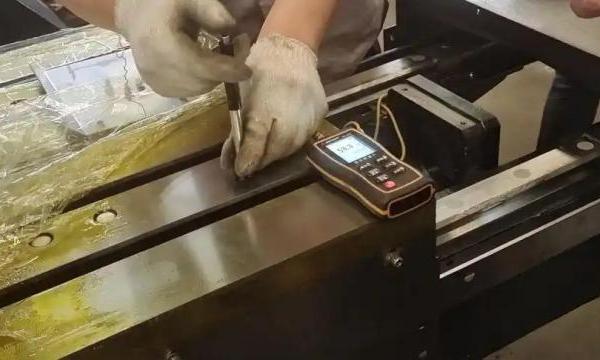
Εργαλεία μέτρησης
Χρησιμοποιήστε εργαλεία όπως:
- Δαγκάνα για τη μέτρηση της διαμέτρου
- Εργαλεία ευθυγράμμισης για την τοποθέτηση σιδηροτροχιών και τροχών
- Συστήματα λέιζερ για ελέγχους υψηλής ακρίβειας
Λειτουργική παρατήρηση
Μερικές φορές το πρόβλημα είναι ορατό κατά τη λειτουργία του γερανού:
- Ασυνήθιστος θόρυβος
- Δονήσεις
- Κίνηση στρέψης
Αυτά τα συμπτώματα υποδεικνύουν συχνά προβλήματα ευθυγράμμισης ή φορτίου.
5. Διορθωτικές ενέργειες
Μόλις εντοπιστεί η βασική αιτία, θα πρέπει να ληφθούν αμέσως διορθωτικά μέτρα.
- Επαναπροσαρμογή των σιδηροτροχιών του γερανού
- Ρυθμίστε την εγκατάσταση του τροχού
- Αντικατάσταση φθαρμένων ή κατεστραμμένων εξαρτημάτων
- Βελτίωση των πρακτικών λίπανσης
- Μείωση των συνθηκών υπερφόρτωσης
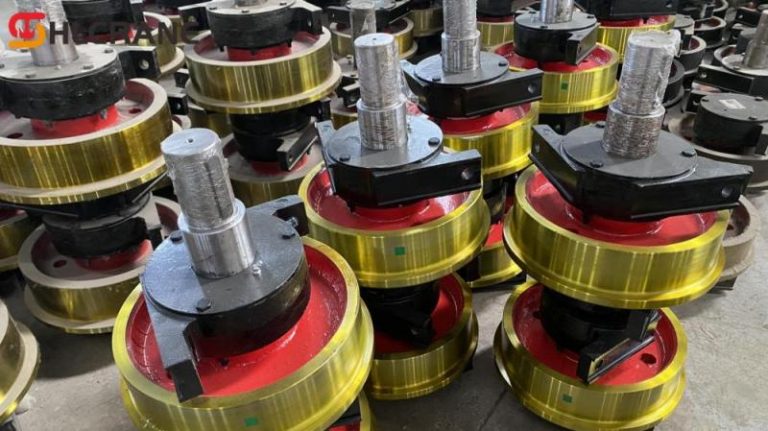
Εάν οι τροχοί έχουν ήδη υποστεί ζημιά που δεν επιδέχεται επισκευή, είναι απαραίτητη η αντικατάστασή τους. Η HL CRANE προσφέρει τροχούς γερανού υψηλής ποιότητας σχεδιασμένους για ανθεκτικότητα και εφαρμογές βαρέως τύπου:
👉 https://www.hnhlcranes.com/products/crane-wheels/
6. Προληπτικά μέτρα
Η πρόληψη είναι πάντα πιο αποδοτική από την επισκευή.
- Εκτέλεση τακτικών επιθεωρήσεων
- Διατήρηση της σωστής ευθυγράμμισης
- Χρήση υλικών υψηλής ποιότητας
- Ακολουθήστε τις σωστές διαδικασίες εγκατάστασης
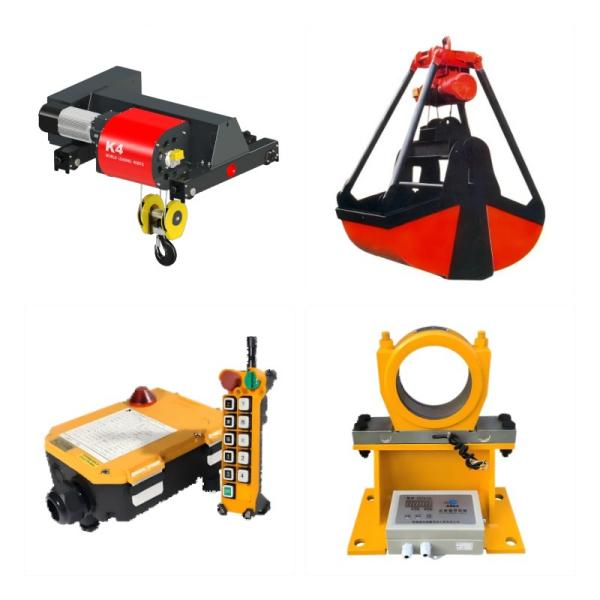
Μπορείτε επίσης να εξερευνήσετε την πλήρη γκάμα εξαρτημάτων γερανού που διαθέτουμε για να διασφαλίσετε την αξιοπιστία του συστήματος:
👉 https://www.hnhlcranes.com/
Συμπέρασμα
Η μη φυσιολογική φθορά στους τροχούς του γερανού δεν είναι απλώς ένα θέμα συντήρησης - είναι ένα σημάδι βαθύτερων προβλημάτων στο σύστημα του γερανού. Με την κατανόηση των μοτίβων φθοράς και τον έγκαιρο εντοπισμό των βαθύτερων αιτιών, μπορείτε να αποτρέψετε δαπανηρές διακοπές λειτουργίας και να παρατείνετε τη διάρκεια ζωής του εξοπλισμού σας.
Στο HL CRANE, συνδυάζουμε την τεχνογνωσία κατασκευής με την πρακτική εμπειρία πεδίου για να υποστηρίξουμε τους πελάτες μας σε όλο τον κόσμο. Εάν χρειάζεστε αξιόπιστους τροχούς γερανών ή τεχνική βοήθεια, μη διστάσετε να επικοινωνήσετε μαζί μας.
🔹 Συχνές ερωτήσεις(Συχνές ερωτήσεις)
1. Τι προκαλεί ανομοιόμορφη φθορά στους τροχούς του γερανού;
Η ανομοιόμορφη φθορά προκαλείται συνήθως από κακή ευθυγράμμιση της ράγας, ακατάλληλη εγκατάσταση ή ανομοιόμορφη κατανομή του φορτίου στους τροχούς του γερανού.
2. Πόσο συχνά πρέπει να επιθεωρούνται οι τροχοί του γερανού;
Συνιστάται η τακτική επιθεώρηση των τροχών του γερανού, ανάλογα με τη συχνότητα χρήσης. Για εργασίες βαρέως τύπου, συνιστάται μηνιαία επιθεώρηση.
3. Μπορεί να επιδιορθωθεί η ανώμαλη φθορά των τροχών του γερανού;
Η μικρή φθορά μπορεί μερικές φορές να διορθωθεί με επανακατασκευή, αλλά η σοβαρή ζημιά απαιτεί συνήθως αντικατάσταση του τροχού.
4. Πώς μπορώ να καταλάβω αν οι ράγες του γερανού δεν είναι ευθυγραμμισμένες;
Τα σημάδια περιλαμβάνουν ανομοιόμορφη φθορά των τροχών, κλίση του γερανού, ασυνήθιστο θόρυβο και αυξημένη αντίσταση κατά τη λειτουργία.
5. Ποιος είναι ο καλύτερος τρόπος για να παρατείνετε τη διάρκεια ζωής των τροχών του γερανού;
Βεβαιωθείτε για τη σωστή εγκατάσταση, διατηρήστε την ευθυγράμμιση, αποφύγετε την υπερφόρτωση και διεξάγετε τακτικές επιθεωρήσεις για τον έγκαιρο εντοπισμό προβλημάτων.