How to Replace Crane Components Compatible with European Brands
In many industrial plants across Europe, the Middle East, Africa, and Southeast Asia, overhead cranes and hoists from well-known European brands have been in service for decades. These Crane Components are reliable, but after years of operation, key components such as hooks, wire rope drums, wheels, brakes, and couplings inevitably wear out.
Replacing original parts directly from brand manufacturers can be expensive and time-consuming. Long lead times, high prices, and limited stock often cause unexpected downtime. As a result, many maintenance managers and purchasing teams look for compatible replacement components that meet the same technical and safety standards.
At HL CRANE, we have supported customers worldwide in replacing crane components compatible with European brands while maintaining safety, performance, and compliance. In this article, we share practical experience to help you complete replacement projects smoothly and confidently.
Understanding Compatibility in Crane Components
Before ordering any replacement part, it is essential to understand what “compatible” really means in crane applications.
Compatibility does not simply refer to similar appearance. A truly compatible component must match:
- Load capacity and safety factor
- Material grade and heat treatment
- Dimensional tolerances
- Installation interface
- Operating environment requirements
For example, a crane hook compatible with a European brand must follow the same working load limit (WLL), throat opening, and safety latch design. A wire rope drum must match groove profile, diameter, and mounting structure.
Ignoring these factors may lead to premature failure, increased maintenance cost, or even serious safety risks.
Step 1: Identify the Original Component Specifications
The first step in any replacement project is collecting accurate technical information about the existing part.
Check Crane Components Nameplates and Manuals
Most European cranes are supplied with detailed documentation. Look for:
- Equipment nameplate
- Manufacturer manual
- Part number list
- Technical drawings
These documents usually contain key parameters such as material grade, load rating, and dimensional data.
Measure Critical Dimensions
If original drawings are unavailable, on-site measurement becomes necessary. Important dimensions include:
- Shaft diameter and length
- Bolt hole positions
- Bearing seat size
- Keyway specifications
- Overall tolerance range
Accurate measurement ensures that the new component fits without modification.
Step 2: Select a Reliable Compatible Supplier
Choosing the right supplier is the most critical decision in the replacement process.
A professional crane parts manufacturer should provide:
- Material certificates
- Machining tolerance reports
- Heat treatment records
- Non-destructive testing (NDT) results
- Load testing data
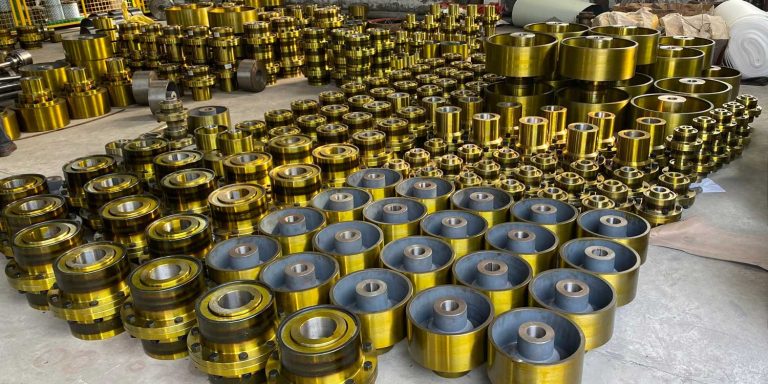
HL CRANE supplies compatible crane components for many European brands, including hooks, drums, wheels, couplings, and end beam assemblies. You can explore our product range at:
Internal Link: https://www.hnhlcranes.com/products/
A reliable supplier will also offer technical support during selection, not just sell standard products.
Step 3: Verify Material and Manufacturing Standards
Material quality is the foundation of crane safety.
Most European crane components follow international standards such as:
- EN 10025 (structural steel)
- EN 10297 (mechanical tubes)
- DIN and ISO machining standards
When purchasing compatible parts, always request material test reports (MTR) and heat numbers. This ensures full traceability and compliance.
You can learn more about international material standards at:
External Link: https://www.iso.org/standards.html
In addition, advanced manufacturing processes such as CNC machining, controlled forging, and automated welding significantly improve product consistency.
Step 4: Evaluate Load Capacity and Safety Factors
European crane designs typically follow strict safety margins. When replacing components, these margins must not be reduced.
Key points to check include:
- Rated load vs. test load
- Fatigue life calculations
- Dynamic load coefficients
- Impact resistance
For example, a compatible crane wheel must support not only static load but also acceleration, braking, and skewing forces.
A qualified supplier should provide engineering calculations to support these requirements.
Step 5: Installation and Alignment Procedures
Even high-quality parts may fail if installed incorrectly.
Preparation
Before installation:
- Clean all mounting surfaces
- Inspect shafts and bearings
- Check for deformation or cracks
- Prepare calibrated tools
Alignment
Proper alignment reduces vibration and wear. Pay special attention to:
- Shaft concentricity
- Gear meshing
- Wheel track alignment
- Brake clearance
After installation, perform trial operation under no-load and partial-load conditions.
Step 6: Testing and Commissioning
Testing is mandatory after component replacement.
Recommended tests include:
- No-load running test
- Static load test
- Dynamic load test
- Emergency brake test
- Limit switch verification
These tests confirm that the new parts perform reliably under real operating conditions.
For reference on crane testing procedures, you may consult:
External Link: https://www.iso.org/standard/60229.html
Common Challenges in Replacing European Brand Components
Long Lead Time
Some European OEM parts require 8–16 weeks for delivery. Compatible suppliers usually reduce this to 2–4 weeks.
Customization Requirements
Older cranes often use discontinued designs. In such cases, reverse engineering and custom manufacturing are necessary.
Certification Concerns
Some customers worry about losing certification after using compatible parts. In practice, compliance is maintained as long as parts meet relevant standards and documentation is complete.
Why Choose HL CRANE for Crane Components Compatible Replacement Parts
With years of experience in crane component manufacturing, HL CRANE provides:
- Precision-machined components
- Full quality documentation
- Custom engineering support
- Stable production capacity
- Global export experience
Our compatible parts are widely used in steel plants, ports, power stations, and fabrication workshops worldwide.
Learn more about our manufacturing capability here:
Internal Link: https://www.hnhlcranes.com/about/
Practical Tips for Long-Term Maintenance
To maximize the service life of replaced components:
- Implement regular inspection schedules
- Monitor abnormal noise and vibration
- Lubricate according to manual
- Keep replacement records
- Train maintenance staff
Preventive maintenance reduces unexpected downtime and protects your investment.
Conclusion
Replacing crane components compatible with European brands is a practical and cost-effective solution when handled professionally. By identifying accurate specifications, selecting reliable suppliers, verifying materials, and following proper installation procedures, you can achieve the same level of safety and performance as original parts.
HL CRANE remains committed to supporting global customers with high-quality compatible crane components and technical expertise. If you are planning a replacement project, feel free to contact our engineering team for professional guidance.
Frequently Asked Questions (FAQ)
1. Are compatible crane parts as safe as original OEM parts?
Yes, when manufactured according to the same standards and verified by testing, compatible parts can provide equivalent safety and reliability.
2. Will using compatible parts void my crane certification?
In most cases, certification remains valid if parts meet relevant standards and proper documentation is available.
3. How long does it take to manufacture custom replacement parts?
Depending on complexity, custom parts usually require 3–6 weeks, including design, production, and testing.
4. What documents should I request from suppliers?
You should request material certificates, inspection reports, load test records, and dimensional drawings.
5. Can HL CRANE provide samples before bulk orders?
Yes, HL CRANE can provide samples for evaluation and testing before mass production upon request.