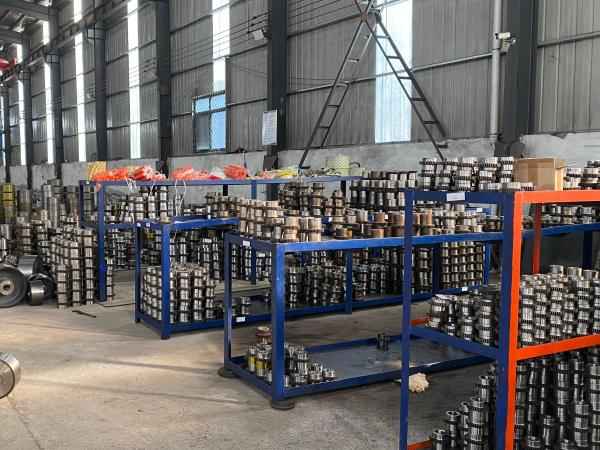

Understanding Lead Times in Crane Parts Manufacturing: What Affects Delivery Speed?
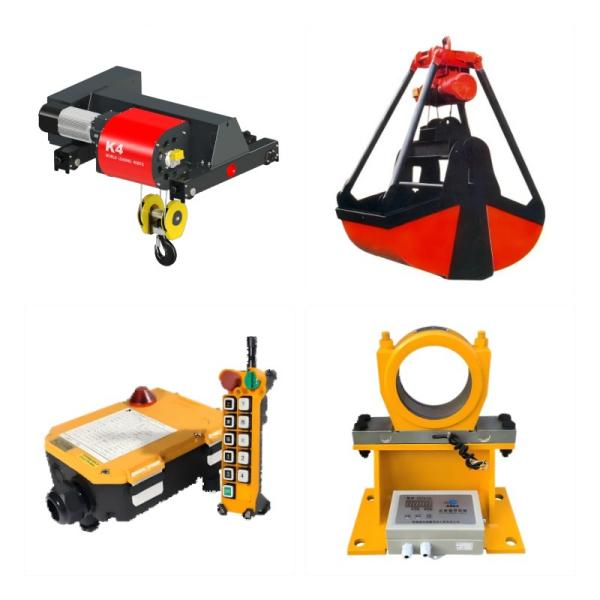
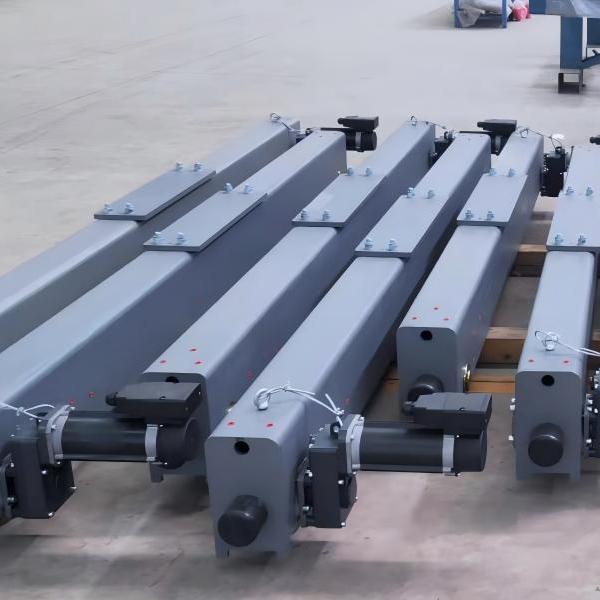
In global sourcing of crane components, lead time is one of the most critical factors that affects project planning, maintenance schedules, and supply chain efficiency. Different types of crane parts—such as hooks, wheels, drums, couplings, or end carriages—require unique manufacturing processes, materials, and inspections, which can significantly influence how fast an overseas supplier can deliver. Understanding these factors helps buyers reduce downtime and select reliable partners for long-term cooperation.
What Are Lead Times in Crane Parts Manufacturing?
Lead time refers to the total duration from the moment an order is placed until the product is delivered to the buyer.
For crane parts used in overhead cranes, gantry cranes, foundries, steel plants, and port machinery, lead times can range from a few days to several weeks depending on product type, material grade, complexity, and export logistics.
Buyers who understand lead time variables gain better control of their purchasing planning and can avoid unexpected delays in critical lifting operations.
1. Raw Material Availability
Material sourcing is often the first factor affecting speed.
High-strength steels such as 42CrMo, 65Mn, or special alloy forgings may require longer procurement time, especially for large diameters and custom sizes.
Manufacturers with stable raw material suppliers or in-house forging workshops can reduce this waiting period significantly.
2. Product Complexity and Customization
Standard crane parts—such as DIN or FEM hooks or standard-size wheels—are usually available faster.
Customized parts require additional steps:
-
technical drawing confirmation
-
CNC precision machining
-
heat treatment
-
dynamic balancing
-
performance testing
These procedures extend the lead time but ensure the correct fit and safe operation of the crane.
3. Production Capacity and Workshop Scheduling
Lead time is closely tied to factory workload.
Suppliers with multiple CNC centers, flexible machining lines, and optimized production planning typically offer shorter delivery times.
Meanwhile, smaller workshops or seasonal production peaks can cause delays.
HL CRANE maintains consistent delivery performance through structured production scheduling and multiple machining facilities.
4. Quality Control Requirements
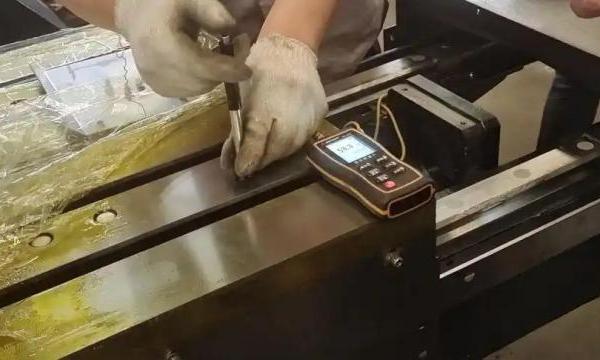
The stricter the quality inspection, the longer the production cycle.
Typical QC procedures include:
-
ultrasonic (UT) testing
-
magnetic particle (MT) testing
-
hardness and tensile testing
-
drum balance testing
-
dimensional inspection
-
load testing for hooks
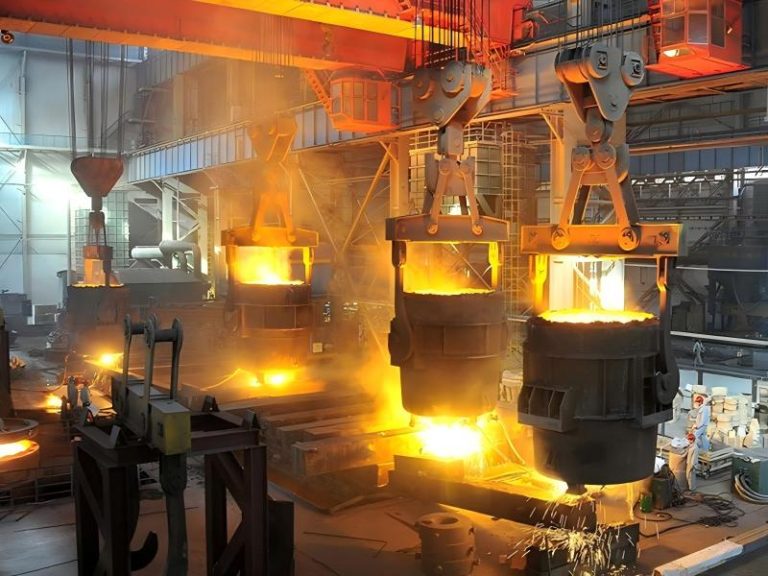
Industries such as foundries and steel mills often require additional certification, which also affects delivery time.
5. Export Packaging and Documentation
Export-grade packaging—fumigated wooden cases, anti-corrosion protection, and reinforced packing—requires time to prepare.
Documentation such as material certificates, inspection reports, and customs paperwork also adds to the lead time.
6. International Logistics Routes
Shipping time varies by region:
-
Russia & Central Asia → railway + truck
-
Europe → sea freight + inland transport
-
Middle East → direct sea routes
-
South America & Africa → longer maritime schedules
Proper coordination between production and transport scheduling helps avoid delays and ensures on-time delivery.
How HL CRANE Ensures Faster Lead Times
As a professional crane parts manufacturer and supplier, HL CRANE improves lead time efficiency through:
-
in-house forging and machining
-
stock availability for standard components
-
fast drawing confirmation
-
flexible production for urgent orders
-
reliable global logistics partners
For more information about our overhead crane parts, visit our internal page:
➡ Internal link: https://www.hnhlcranes.com
FAQs
1. What is the typical lead time for crane parts manufacturing?
Lead time varies depending on the part type and production workload, but standard components usually take 7–20 days, while customized or large-scale parts (like hooks, wheels, and drums) may require 20–45 days. International shipping adds extra time depending on the route.
2. Why do customized crane parts require longer delivery times?
Customized parts require design confirmation, material sourcing, machining, and quality testing based on the customer’s original drawings or specifications. Each stage adds additional time compared to standard off-the-shelf components.
3. How can I reduce lead time when ordering crane parts from China?
You can shorten lead time by:
-
Providing accurate drawings and specifications early
-
Confirming voltage, working class, and dimensions without delays
-
Ordering during non-peak seasons
-
Working with a supplier that maintains stock of raw materials, like HL CRANE
4. Does international shipping affect the total delivery time?
Yes. Shipping method has a major impact:
-
Air freight: 3–10 days
-
Rail freight to Russia/Europe: 15–25 days
-
Sea freight: 25–45+ days depending on the port
Customs inspection and local clearance may also add extra time.
5. How do I know if my crane parts supplier is capable of fast production?
Check if the supplier:
-
Has an independent machining workshop
-
Maintains raw material inventory
-
Provides clear production scheduling
-
Offers real-time updates on manufacturing progress
HL CRANE, for example, offers structured production management to ensure stable and predictable lead times.