
How Poor Crane Parts Increase Downtime and Maintenance Costs
In industrial lifting operations, downtime is often more expensive than the crane parts themselves. Yet many buyers underestimate how component quality directly affects crane availability, safety, and long-term maintenance costs. Poor-quality crane parts rarely fail immediately—but when they do, the consequences can be severe.
1. Downtime Is the Hidden Cost Most Buyers Ignore
When an overhead crane stops unexpectedly, the impact goes far beyond replacing a damaged part. Production lines halt, labor stands idle, and delivery schedules are disrupted. In some industries, even one hour of crane downtime can cost more than the original component price.
Low-quality crane parts often suffer from:
-
Premature wear
-
Fatigue cracking
-
Inconsistent dimensions
These issues lead to unplanned shutdowns, which are far more costly than scheduled maintenance.
2. Inconsistent Manufacturing Causes Repeated Failures
One common issue with low-cost suppliers is poor process control. Even if two parts look identical, differences in heat treatment, machining accuracy, or material quality can result in completely different performance in real-world conditions.
For example, crane wheels or couplings manufactured without proper process control may cause:
-
Abnormal vibration
-
Accelerated bearing wear
-
Misalignment of rotating components
Over time, this creates a chain reaction of failures across the crane system.
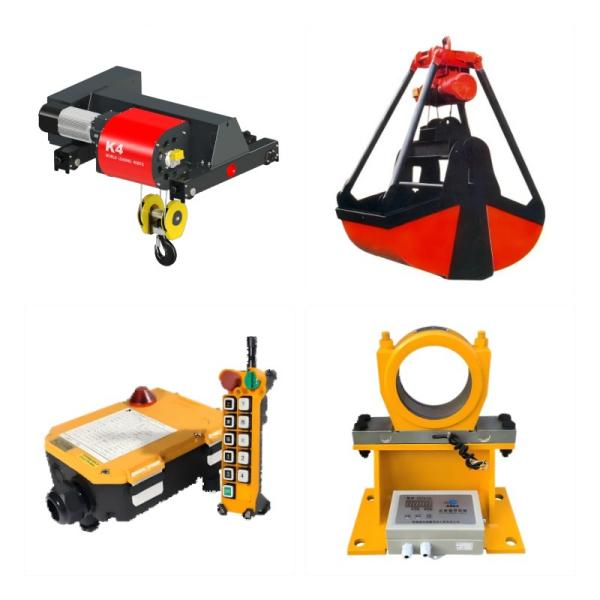
You can find properly engineered overhead crane parts designed for stable operation here: https://www.hnhlcranes.com/products/
3. Maintenance Costs Rise When Parts Lack Reliability
Frequent part replacement increases not only material costs, but also labor, inspection, and machine downtime expenses. Maintenance teams are forced into reactive repairs instead of planned maintenance.
High-reliability crane components reduce:
-
Emergency repair frequency
-
Spare parts inventory pressure
-
Maintenance labor intensity
This allows maintenance teams to focus on preventive inspections rather than constant fault correction.
4. Safety Risks Lead to Indirect Financial Losses
Component failure in lifting equipment is not just a technical issue—it is a safety risk. Brake failures, wheel damage, or coupling fractures can result in accidents, equipment damage, or regulatory penalties.
International standards such as OSHA emphasize the importance of using reliable components in overhead lifting equipment:
https://www.osha.gov/laws-regs/regulations/standardnumber/1910/1910.179
Crane parts that fail prematurely increase the likelihood of safety incidents and insurance claims, which further raise operational costs.
5. Reliable Suppliers Reduce Operational Risk
Choosing a reliable crane parts supplier is not just a purchasing decision—it is a risk management strategy. Suppliers who provide:
-
Stable material sourcing
-
Controlled heat treatment
-
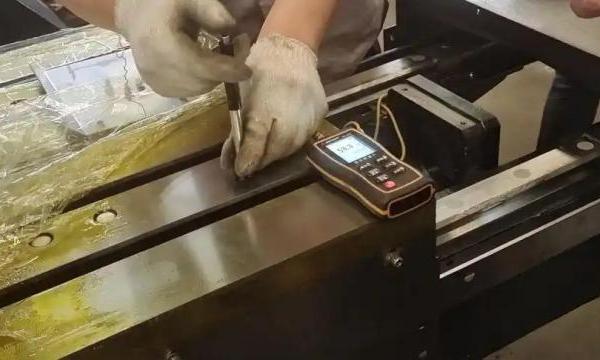
Inspection and testing reports
help customers reduce downtime and improve crane reliability.
HL CRANE focuses on manufacturing industrial crane components designed for long-term, stable operation in demanding environments.
Improve Reliability, Reduce Downtime
Low-quality crane parts may reduce upfront costs, but they often increase downtime, maintenance workload, and safety risks. By focusing on reliability and operational stability, industrial buyers can significantly reduce the hidden costs of crane operation.
Learn more about reliable crane spare parts at www.hnhlcranes.com.
FAQ 1: What are the first signs that crane parts may cause unplanned downtime?
Early warning signs include abnormal noise, vibration, uneven wear, increased operating temperature, and frequent adjustment requirements. These symptoms often indicate poor machining accuracy or inconsistent heat treatment.
FAQ 2: Which crane components most commonly cause production stoppages?
Critical components such as crane wheels, brakes, couplings, wire rope drums, and bearings are most likely to cause production stoppages when they fail, as they directly affect crane movement and load control.
FAQ 3: How does dimensional inaccuracy increase maintenance workload?
Dimensional inaccuracies lead to misalignment, uneven load distribution, and accelerated wear of adjacent components. This increases inspection frequency and forces maintenance teams to perform repeated corrective adjustments.
FAQ 4: Can planned maintenance reduce the impact of poor-quality crane parts?
Planned maintenance can reduce failure risks but cannot fully compensate for poor-quality parts. Components with material defects or improper heat treatment may still fail unexpectedly, even under strict maintenance schedules.
FAQ 5: What documentation helps reduce operational risk when buying crane parts?
Material certificates, non-destructive testing (NDT) reports, and hardness test reports help verify product quality before installation, reducing the risk of hidden defects that cause unexpected downtime.