
How to Verify Compatibility Before Buying Replacement Crane Parts Online
Buying replacement crane parts online can save time and significantly reduce costs — but only if the components are truly compatible.
Many buyers assume matching a part number is enough. In reality, crane components are engineered for specific loads, environments, and mechanical interfaces. Ordering the wrong part can result in installation delays, safety risks, or even equipment failure.
At HL CRANE, we regularly support international customers who need reliable alternatives to OEM crane parts. This guide explains how to verify compatibility before placing an order.
1. Start with Function, Not Brand
The most common mistake buyers make is focusing on brand names instead of functional requirements.
Instead of asking:
“Is this part the same as Brand X?”
You should ask:
✔ Does it carry the same load?
✔ Does it operate in the same environment?
✔ Does it connect the same way?
For example, when replacing a crane hook, what matters most is:
-
Rated load capacity
-
Safety factor
-
Opening size
-
Material grade
You can explore typical heavy-duty hook designs here:
👉 https://www.hnhlcranes.com/products/crane_hooks/
2. Verify Key Dimensions
Even small dimensional differences can prevent installation.
Always confirm:
-
Shaft diameter
-
Mounting hole spacing
-
Drum rope groove size
-
Wheel flange thickness
For crane wheels, critical measurements include:
-
Tread diameter
-
Flange height
-
Bearing housing size
A difference of just a few millimeters can affect alignment and wear life.
Reference:
General crane wheel design principles are explained here:
👉 https://en.wikipedia.org/wiki/Crane_(machine)
3. Check Material Specifications
Two parts may look identical but perform very differently depending on material.
Common crane component materials include:
-
DG20Mn forged steel (hooks)
-
42CrMo forged steel (wheels)
-
Alloy steel heat-treated drums
Material determines:
✔ Fatigue resistance
✔ Impact strength
✔ Service life
Never rely on visual similarity alone.
At HL CRANE, material traceability is standard for load-bearing components.
4. Confirm Load Ratings
Load capacity must always match or exceed the original design.
Important values to verify:
-
Working Load Limit (WLL)
-
Dynamic load capacity
-
Duty classification
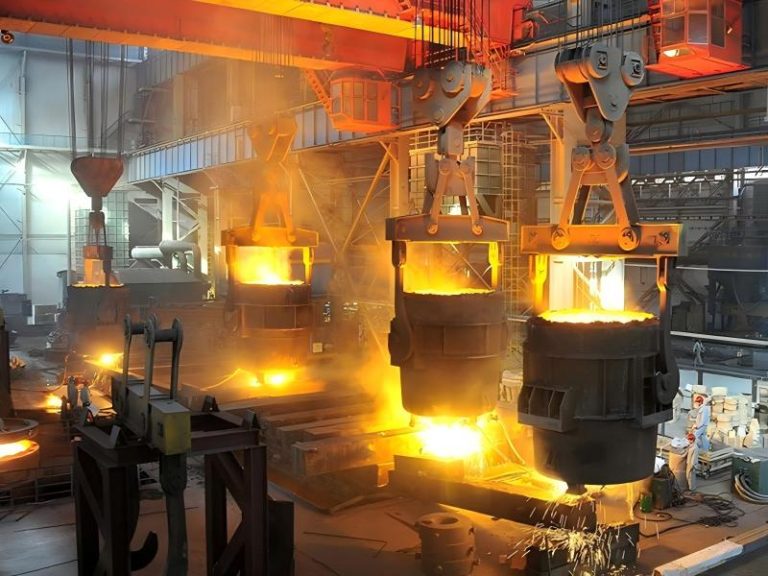
This is especially important in high-duty environments such as:
-
Steel plants
-
Foundries
-
Shipyards
You can learn more about crane duty classifications here:
👉 https://www.hnhlcranes.com/news/
5. Understand the Interface
Compatibility depends heavily on how the part connects to the crane system.
Check:
-
Keyways
-
Bolt patterns
-
Bearing fit tolerances
-
Coupling interfaces
For example:
A rope drum may match dimensions but fail if the shaft fit tolerance differs.
6. Use Photos and Measurements When Drawings Are Missing
In many cases, original drawings are unavailable — especially for older cranes.
You can still verify compatibility by providing:
✔ Photos with scale reference
✔ Basic measurements
✔ Installation position
This allows experienced suppliers to reverse-engineer the part safely.
HL CRANE often assists customers this way when OEM sourcing is no longer practical.
7. Compare Operating Conditions
Two cranes with the same capacity may operate in very different environments.
Ask:
-
Is the crane used indoors or outdoors?
-
Is it exposed to heat or corrosion?
-
Is it operating in high-cycle duty?
These factors influence:
-
Heat treatment
-
Surface hardening
-
Material selection
For example, foundry cranes often require enhanced durability.
8. Avoid Blind Cross-Referencing
Part numbers alone are not universal.
Different manufacturers may assign different numbers to:
-
Similar designs
-
Custom variants
-
Upgraded versions
Blind cross-referencing can result in costly mismatches.
Instead, match:
✔ Function
✔ Dimensions
✔ Load
✔ Material
9. Request Engineering Confirmation
Before ordering, always ask your supplier to confirm:
-
Load suitability
-
Installation compatibility
-
Material equivalence
A reliable supplier should provide technical feedback — not just a quotation.
You can contact HL CRANE for technical verification here:
👉 https://www.hnhlcranes.com/contact-us/
10. When OEM Purchase Is Still Necessary
Some components should still be sourced from the original manufacturer.
Examples include:
-
Electrical control parts
-
Proprietary gear systems
-
Unique pulley assemblies
If no drawings exist, OEM sourcing may remain the safest route.
Final Thoughts
Buying replacement crane parts online doesn’t have to be risky.
By verifying:
-
Function
-
Dimensions
-
Material
-
Load capacity
-
Interface
You can confidently source compatible alternatives while reducing downtime and cost.
HL CRANE supports global buyers with engineered replacement components designed for real-world compatibility — not just part number similarity.
Explore more crane parts solutions here:
👉 https://www.hnhlcranes.com/
FAQ
1. Can I replace OEM crane parts with third-party alternatives?
Yes — in many cases, third-party crane parts can safely replace OEM components as long as they match key specifications such as load capacity, dimensions, and material grade. Compatibility depends on engineering parameters rather than brand name alone.
2. What information should I provide when requesting a replacement crane part?
To verify compatibility, it is best to provide:
-
Part photos
-
Basic dimensions
-
Load rating
-
Installation position
-
Working environment
If drawings are unavailable, these details often allow suppliers to identify or reproduce suitable replacements.
3. Is matching the part number enough to ensure compatibility?
No. Part numbers are not universal across manufacturers. Two parts with similar functions may have different numbering systems. Always verify technical specifications instead of relying solely on part numbers.
4. What risks are involved in buying incompatible crane parts?
Using incompatible parts may result in:
-
Installation failure
-
Accelerated wear
-
Reduced lifting safety
-
Unexpected downtime
In extreme cases, it can affect structural integrity and operational safety.
5. How can I confirm load capacity before purchasing?
You should request documentation from the supplier confirming:
-
Working Load Limit (WLL)
-
Material grade
-
Heat treatment process
A reliable supplier should provide engineering confirmation rather than only commercial quotations.