
Understanding ISO Standards for Crane Components (Beginner Friendly Guide)
If you are involved in crane manufacturing, purchasing, or maintenance, you have probably come across ISO standards. But what exactly do they mean, and why are they so important for crane components?
In this beginner-friendly guide from HL CRANE, we break down ISO standards in a simple way, helping you understand how they impact the quality, safety, and performance of crane systems.
What Are ISO Standards?
ISO standards are internationally recognized guidelines developed by the International Organization for Standardization. These standards ensure that products and processes meet consistent requirements across different countries and industries.
For crane components, ISO standards define:
- Material quality
- Manufacturing processes
- Safety requirements
- Testing and inspection methods
This helps ensure that crane parts from different suppliers can meet global expectations.
Why ISO Standards Matter for Crane Components
1. Safety Assurance
Crane components operate under heavy loads and demanding conditions. ISO standards help minimize risks by defining strict safety requirements.
For example, hooks, wire ropes, and drums must meet specific strength and durability criteria to prevent failure during operation.
2. Consistent Quality
ISO standards ensure that components are manufactured with consistent quality. This is especially important when sourcing parts internationally.
At HL CRANE, we follow strict quality control processes to ensure that our products meet global standards. You can explore more about our crane components here:
👉 www.hnhlcranes.com
3. Global Compatibility
Using ISO-compliant components allows easier integration into different crane systems. Whether your project is in Europe, Asia, or the Middle East, ISO standards provide a common technical language.
4. Easier Inspection and Maintenance
Standardized components make inspection and maintenance more straightforward. Engineers can rely on known parameters and testing methods when evaluating equipment condition.
Key ISO Standards Related to Crane Components
While there are many ISO standards, a few are particularly relevant to crane components:
ISO 4301 – Crane Classification
This standard classifies cranes based on their duty cycles and load conditions. It helps determine the design requirements for components such as drums, wheels, and hooks.
ISO 9927 – Crane Inspections
ISO 9927 provides guidelines for inspecting cranes and their components. It outlines inspection intervals, methods, and documentation requirements.
ISO 16881 – Wire Rope Selection
This standard focuses on selecting appropriate wire ropes for lifting applications, ensuring safety and durability.
ISO 12482 – Condition Monitoring
ISO 12482 deals with monitoring the condition of cranes during operation, helping detect issues before they become critical.
For more detailed technical standards, you can refer to official ISO publications:
👉 https://www.iso.org
How ISO Standards Affect Different Crane Components
1. Crane Hooks
ISO standards specify load capacity, material strength, and inspection requirements for hooks. Proper compliance reduces the risk of deformation or failure.
2. Rope Drums
Standards define groove design, material selection, and manufacturing tolerances to ensure smooth rope operation and longer service life.
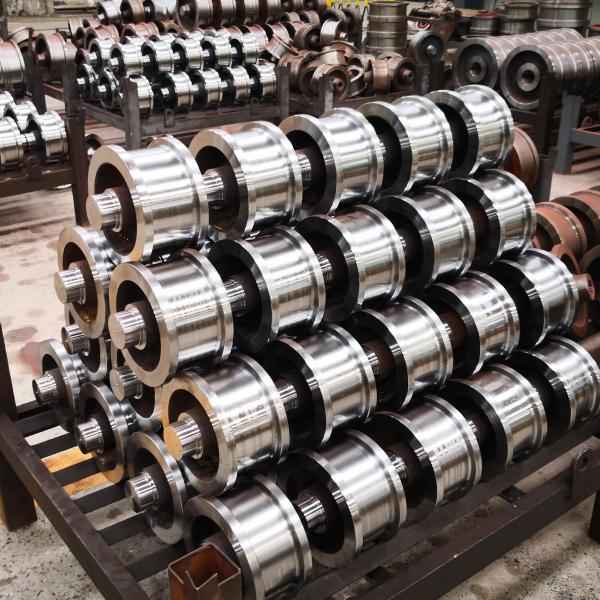
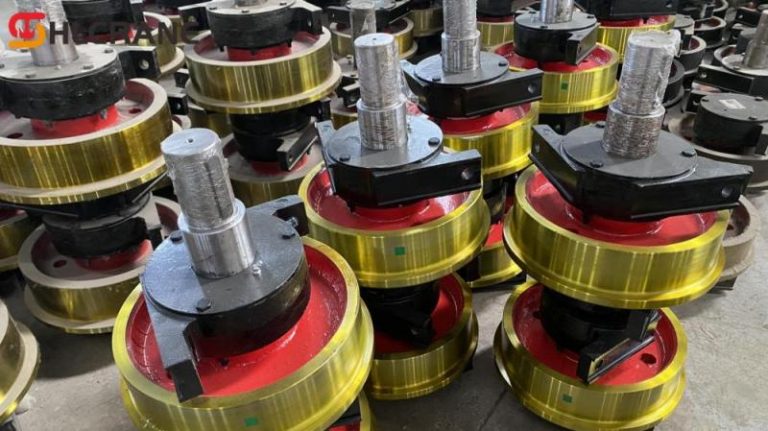
3. Crane Wheels
Wheel materials, hardness, and heat treatment processes are guided by standards to handle heavy loads and reduce wear.
4. Wire Ropes
Wire ropes must meet strict requirements for tensile strength, flexibility, and fatigue resistance.
ISO vs Local Standards: What’s the Difference?
Many countries have their own standards, such as DIN (Germany) or GB (China). While these may differ slightly, ISO standards are often used as a global reference.
In many projects, especially international ones, ISO compliance is either required or strongly preferred.
Practical Tips for Beginners
If you are new to crane components, here are a few practical tips:
- Always check if components meet ISO or equivalent standards
- Request material certificates and test reports from suppliers
- Work with experienced manufacturers who understand international requirements
- Avoid choosing products based only on price
How HL CRANE Supports ISO Compliance
At HL CRANE, we understand the importance of meeting international standards. Our manufacturing processes are designed to align with ISO requirements, ensuring reliable performance in demanding environments.
We provide:
- High-quality crane components
- Strict quality control
- Custom solutions based on project requirements
👉 Learn more about our products and services:
www.hnhlcranes.com
Conclusion
ISO standards play a crucial role in ensuring the safety, quality, and reliability of crane components. Even for beginners, understanding these standards can help you make better decisions when selecting or maintaining crane parts.
By choosing ISO-compliant components and working with experienced manufacturers like HL CRANE, you can reduce risks and improve the overall performance of your crane systems.
Frequently Asked Questions (FAQ)
1. What are ISO standards for crane components?
ISO standards for crane components are international guidelines developed by the International Organization for Standardization to ensure safety, quality, and consistency. They cover aspects such as material selection, manufacturing processes, inspection methods, and performance requirements.
2. Why are ISO standards important in crane manufacturing?
ISO standards help ensure that crane components are safe, reliable, and compatible across different markets. They reduce the risk of equipment failure, improve product quality, and make it easier to integrate components from different suppliers in international projects.
3. Are ISO standards mandatory for crane components?
ISO standards are not always legally mandatory, but they are widely accepted and often required in international projects. Many companies and clients prefer or demand ISO-compliant products to ensure safety and performance, especially in heavy-duty crane applications.