
CMAA vs EN vs FEM Crane Standards: Key Differences for Buyers
Понимание CMAA vs EN vs FEM crane standards is essential for buyers sourcing crane systems globally. These three standards define how cranes are designed, classified, and evaluated, but they follow different engineering philosophies. Choosing the right standard directly affects safety, compliance, cost, and long-term performance.
What Are CMAA, EN, and FEM Standards?
CMAA (Crane Manufacturers Association of America) is widely used in North America and focuses on practical crane classifications. EN standards are European regulations that emphasize detailed engineering calculations and safety factors. FEM standards, developed by the European Materials Handling Federation, focus on duty classification and real operating conditions.
For official references:
CMAA: https://www.mhi.org/cmaa
EN Standards: https://single-market-economy.ec.europa.eu/single-market/european-standards_en
CMAA vs EN vs FEM Crane Standards: Design Philosophy Differences
When comparing CMAA vs EN vs FEM crane standard, one major difference lies in their design philosophy.
- CMAA uses experience-based classifications (Class A–F)
- EN applies limit state design with detailed calculations
- FEM focuses on real working cycles and load spectrum
CMAA is simpler and widely used in the U.S., while EN is more rigorous and required in Europe. FEM acts as a bridge between theory and practical application.
Duty Classification in CMAA vs EN vs FEM Crane Standards
Duty classification determines how a crane performs over time.
- CMAA: Class A to Class F
- FEM: Groups such as 1Bm, 2m, 3m, 4m
- EN: Integrated into design calculations
Although approximate comparisons exist, these systems are not directly interchangeable. Buyers must evaluate actual working conditions instead of relying only on labels.
Material Requirements in CMAA vs EN vs FEM Crane Standards
Material selection is heavily influenced by standards.
- EN requires certified materials such as S355 steel
- CMAA allows more flexibility
- FEM focuses on fatigue resistance and durability
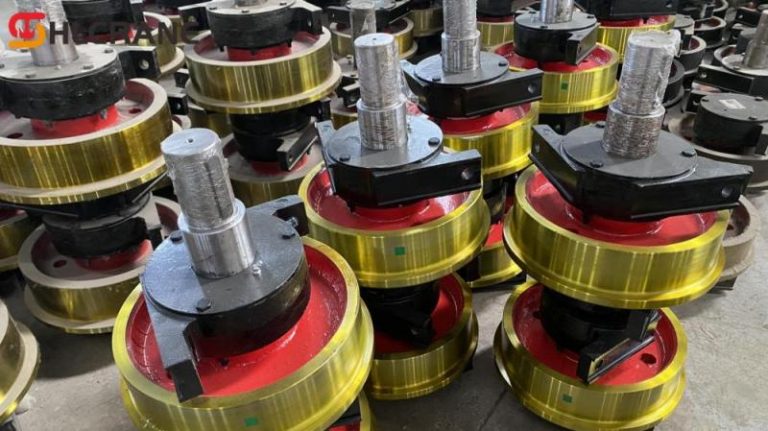
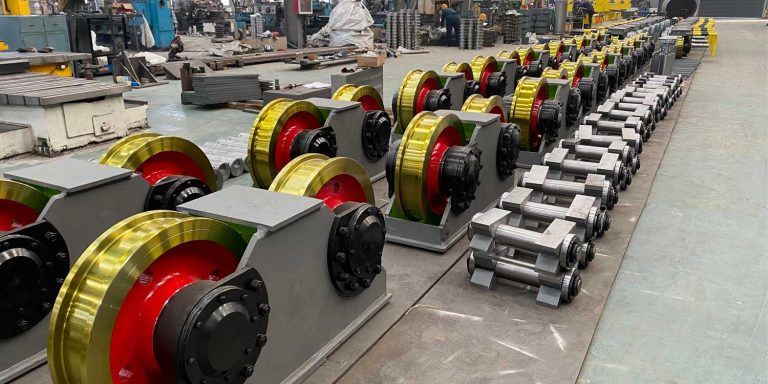
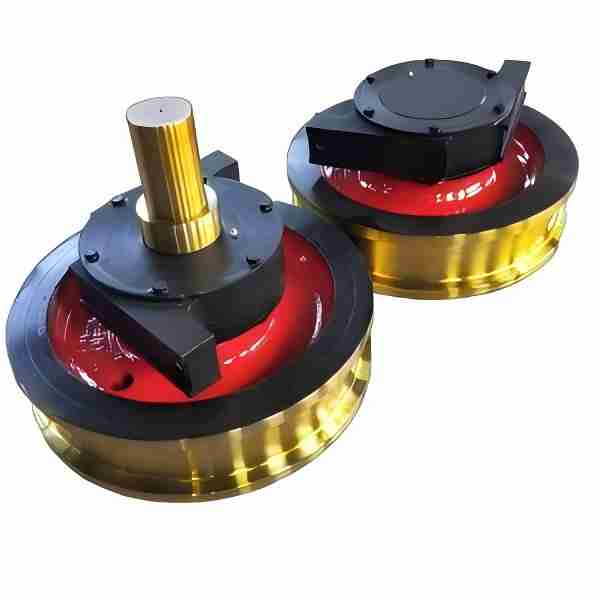
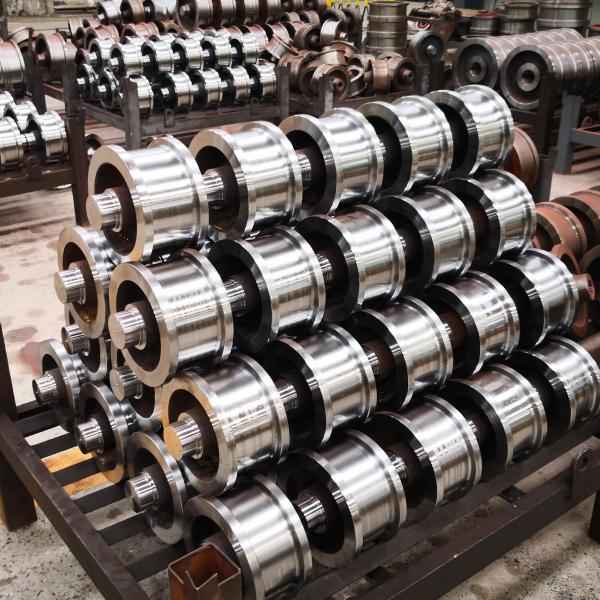
For crane components like wheels and drums, this affects heat treatment, hardness, and machining tolerances.
At HL CRANE, we manufacture components based on international standards to meet different project requirements:
👉 https://www.hnhlcranes.com/
Documentation and Compliance Requirements
Documentation varies significantly:
- EN projects require strict documentation (EN 10204 3.1 certificates, inspections)
- CMAA focuses more on performance
- FEM is often used as a technical guideline
European buyers typically demand complete traceability and testing reports before approval.
Cost and Engineering Impact
Standards directly influence cost:
- EN increases engineering and material costs
- CMAA is more cost-effective for standard applications
- FEM helps optimize long-term performance
Choosing the right standard is a balance between compliance and budget.
How Buyers Should Choose the Right Standard
When selecting between CMAA vs EN vs FEM crane standard, buyers should consider:
- Project location
- Regulatory requirements
- Working conditions
- Client specifications
In some cases, hybrid solutions are used, combining EN design with FEM classification.
Заключение
In summary, understanding CMAA vs EN vs FEM crane standard helps buyers make informed sourcing decisions. Each standard has its strengths: CMAA offers simplicity, EN ensures strict safety compliance, and FEM provides practical classification. Working with experienced suppliers like HL CRANE ensures the right balance between performance, compliance, and cost.
ЧАСТО ЗАДАВАЕМЫЕ ВОПРОСЫ
What is the main difference between CMAA vs EN vs FEM crane standards?
The main difference is their design approach. CMAA focuses on practical classification, EN uses detailed engineering calculations, and FEM emphasizes duty classification based on real working conditions.
Which crane standard is used in Europe?
EN standards are officially required in Europe, especially EN 13001. FEM is also widely used alongside EN for classification and operational analysis.
Which standard is more cost-effective?
CMAA is generally more cost-effective due to simpler design methods. EN standards increase costs because of stricter requirements and documentation.
Can CMAA and EN standards be used together?
Yes, some projects combine EN design requirements with CMAA or FEM classifications to meet both compliance and operational needs.
How do FEM classifications affect crane selection?
FEM classifications determine crane performance based on load cycles and working conditions, helping buyers choose suitable equipment for long-term use.