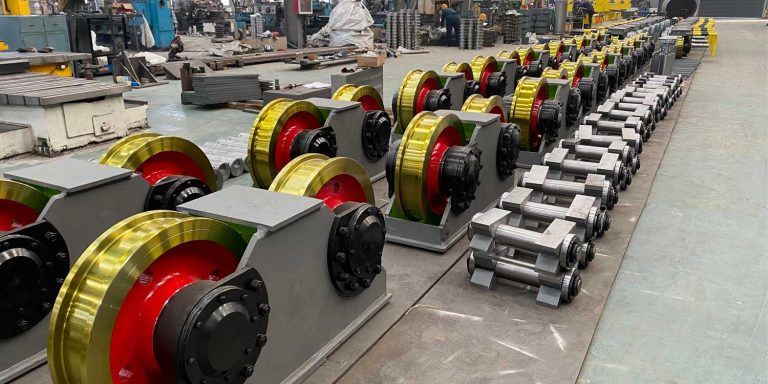

Crane Wheel Wear: How a Heavy-Duty Crane Operator Reduced Damage and Improved Efficiency
Crane wheel wear is one of the most common problems in heavy-duty crane operations. Over time, worn wheels can cause misalignment, vibration, rail damage, and even unexpected downtime. For industries that rely on continuous crane operation, managing crane wheel wear is critical to maintaining productivity and reducing maintenance costs.
In this case study, we look at how a heavy-duty crane operator successfully reduced crane wheels wear by upgrading key components and improving maintenance practices.
What Causes Crane Wheels Wear in Heavy-Duty Applications
Before solving the problem, it is important to understand what causes crane wheel wear. In most cases, it is not a single issue but a combination of factors.
1. Misalignment Between Wheels and Rails
Improper alignment leads to uneven load distribution. As a result, one side of the wheel wears faster than the other, accelerating overall damage.
2. Poor Material Quality
Standard materials may not withstand high loads and harsh working environments. This leads to faster abrasion and reduced service life.
3. Insufficient Surface Hardness
If the wheel surface is not properly heat-treated, it will wear quickly under heavy loads.
4. Lack of Preventive Maintenance
Irregular inspections and poor lubrication can significantly increase wear rates.
The Challenge: Frequent Failures and Rising Costs
The crane operator in this case runs a heavy-duty overhead crane in a demanding industrial environment. After several years of operation, the company began facing serious crane wheel wear issues:
- Uneven wheel surfaces
- Increased noise and vibration
- Frequent maintenance shutdowns
- Damage to crane rails
These problems not only affected efficiency but also increased operational costs.
How to Reduce Crane Wheel Wear Effectively
Instead of replacing the entire crane, the operator chose a more practical approach—targeted upgrades and maintenance improvements.
High-Performance Crane Wheel Replacement
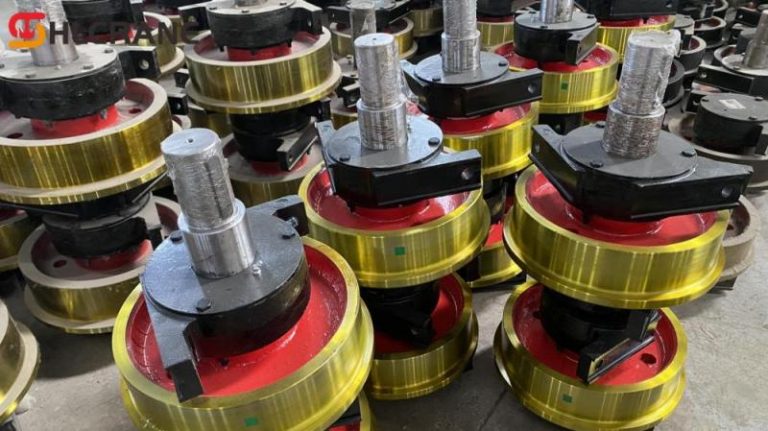
The first step was replacing the worn wheels with high-strength, heat-treated crane wheels designed for heavy-duty applications.
The new wheels offered:
- Improved wear resistance
- Higher load-bearing capacity
- Better surface hardness
- Precision machining for accurate alignment
👉 Внутренняя ссылка:
https://www.hnhlcranes.com/products/crane-wheels/
This upgrade significantly improved wheel-to-rail contact and reduced uneven stress.
Alignment Correction
During installation, the team carefully adjusted the alignment between wheels and rails. Proper alignment ensured even load distribution and minimized localized wear.
Maintenance Optimization
A structured maintenance program was introduced, including:
- Regular inspections of wheels and rails
- Scheduled lubrication
- Monitoring vibration and noise levels
These measures helped detect problems early and prevent further damage.
Results: Measurable Improvements
After implementing these solutions, the operator saw clear improvements within a short period.
✅ Reduced Crane Wheel Wear
The upgraded wheels showed significantly less wear, extending their service life.
✅ Smoother Operation
Reduced vibration and noise improved overall crane performance.
✅ Lower Maintenance Costs
Fewer repairs and replacements resulted in cost savings.
✅ Improved Reliability
The crane operated more consistently, reducing unexpected downtime.
Industry Insight
Crane wheel wear is a key factor affecting the performance of lifting equipment. According to the Международная организация по стандартизации, regular inspection and timely replacement of critical components are essential for maintaining safety and efficiency.
More companies are now focusing on preventive maintenance and component upgrades to avoid major failures.
Best Practices to Prevent Crane Wheel Wear
Based on this case study, the following practices can help reduce crane wheel wear:
- Use high-quality, heat-treated wheel materials
- Ensure proper alignment during installation
- Conduct regular inspections and maintenance
- Monitor operating conditions and load distribution
These steps can significantly extend the lifespan of crane wheels and improve overall system performance.
Choosing the Right Crane Wheel Supplier
A reliable supplier plays a crucial role in solving crane wheels wear issues. Key factors to consider include:
- Material quality and heat treatment
- Прецизионная обработка
- Customization capabilities
- Technical support
HL CRANE provides high-performance crane wheel solutions for heavy-duty applications, helping customers reduce wear and improve efficiency.
👉 Visit our website:
https://www.hnhlcranes.com/
Заключение
Crane wheels wear is a serious issue in heavy-duty operations, but it can be effectively managed with the right approach.
This case study shows that by upgrading crane wheels, improving alignment, and implementing better maintenance practices, operators can:
- Reduce wear
- Improve efficiency
- Lower costs
For companies facing similar challenges, addressing crane wheels wear is a practical and cost-effective way to enhance crane performance without replacing the entire system.
ЧАСТО ЗАДАВАЕМЫЕ ВОПРОСЫ
1. What causes crane wheel wear in heavy-duty applications?
Crane wheel wear is mainly caused by misalignment, poor material quality, insufficient surface hardness, and lack of regular maintenance. These factors lead to uneven load distribution and accelerated wear.
2. How can crane wheel wear be reduced effectively?
Crane wheel wear can be reduced by using high-strength, heat-treated wheels, ensuring proper alignment, and implementing regular inspection and lubrication programs.
3. Why is alignment important for crane wheel performance?
Proper alignment ensures even load distribution between wheels and rails, reducing uneven wear, vibration, and potential damage to crane components.
4. When should crane wheels be replaced?
Crane wheels should be replaced when there is significant wear, surface damage, or when vibration and noise increase, indicating reduced performance and safety risks.
5. What are the benefits of upgrading crane wheels instead of replacing the entire crane?
Upgrading crane wheels is more cost-effective and can improve efficiency, reduce downtime, extend service life, and enhance overall crane performance without full system replacement.